Our Projects
RAILWAy
“DO WHAT HEART SAYS , ASK MIND WHERE IT LEADS TOOO…”
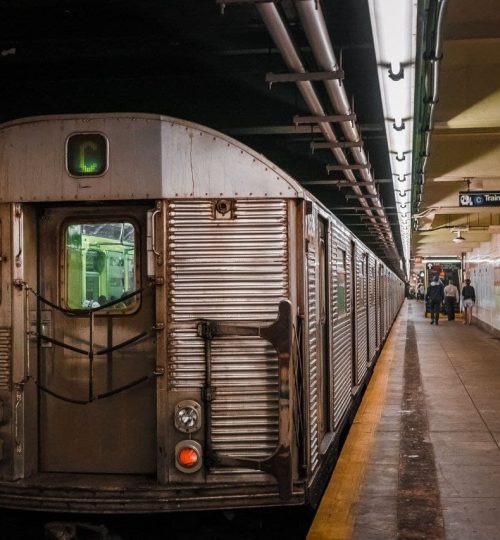
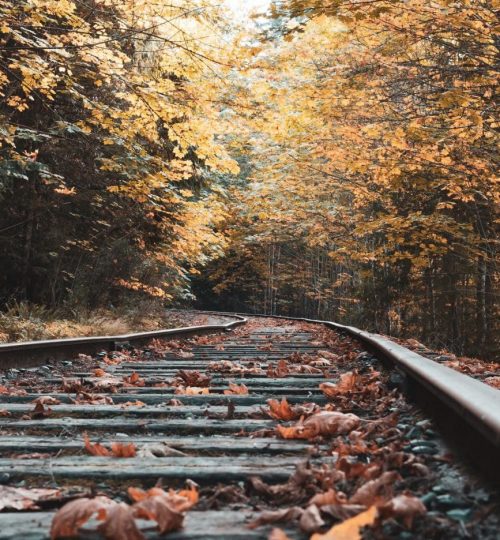
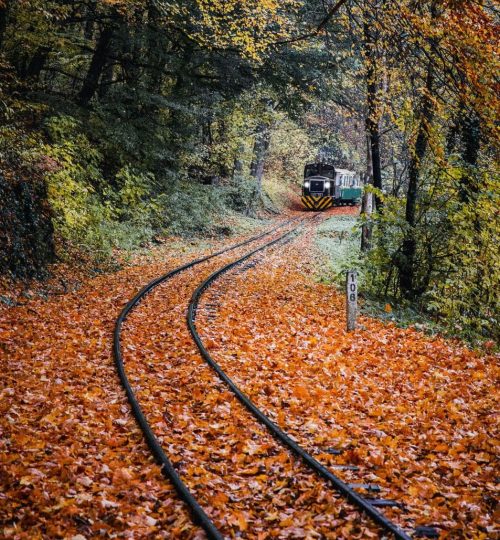
The rail profile is the cross sectional shape of a railway rail , perpendicular to its length. Early rails were made of wood, cast iron or wrought iron. All modern rails are hot rolled steel with a cross section profile approximate to an I-beam , but asymmetric about a horizontal axis (however see grooved rail below). The head is profiled to resist wear and to give a good ride, and the foot profiled to suit the fixing system. Unlike some other uses of iron and steel, railway rails are subject to very high stresses and are made of very high quality steel. It took many decades to improve the quality of the materials, including the change from iron to steel. Minor flaws in the steel that may pose no problems in other applications can lead to broken rails and dangerous derailments when used on railway tracks.
BUILDING CONSTRUCTION
” KEEP FLYING AND NEVER STOP TO EXPLORE “
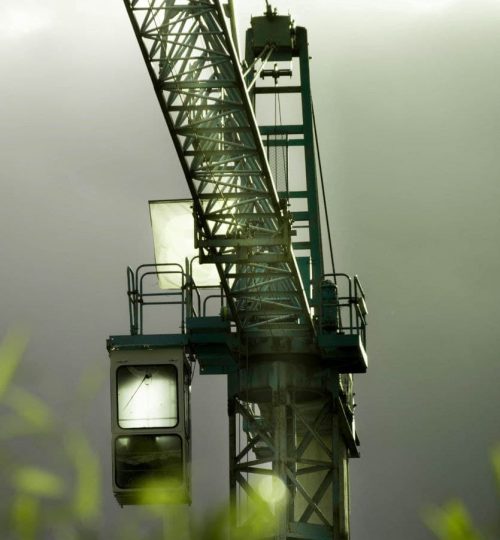
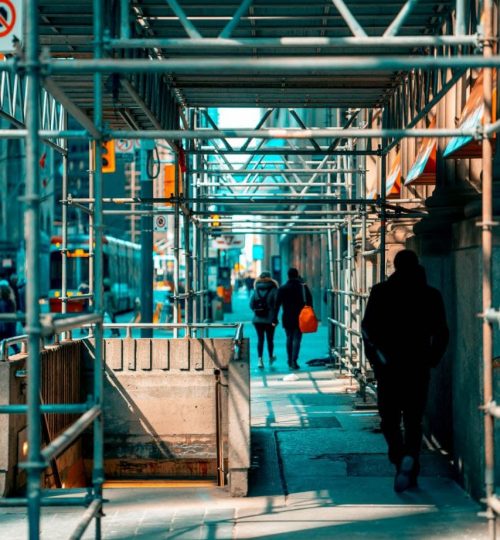
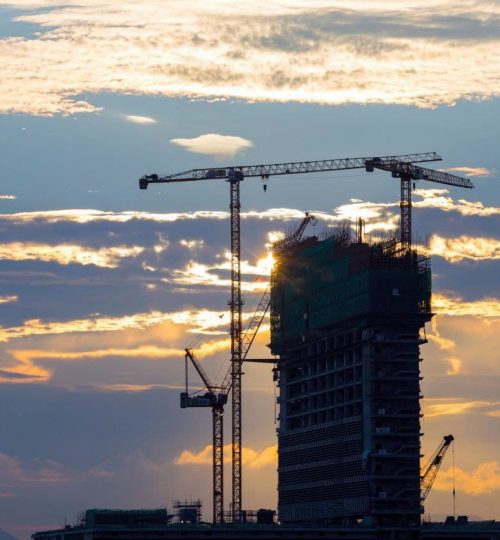
Metals used for architectural purposes include lead , for water pipes , roofing , and windows; tin, formed into tinplate; zinc , copper and aluminium , in a range of applications including roofing and decoration; and iron, which has structural and other uses in the form of cast iron or wrought iron, or made into steel . Metal alloys used in building include bronze (mainly copper and tin); brass (copper and zinc); Monel metal and nickel silver , mainly consisting of nickel and copper; and stainless steel , with important components of nickel and chromium.
iron industry
” BE STRONG AS IRON NEEDED TRANSFER YOURSELF AS AN MASTERPEICE “